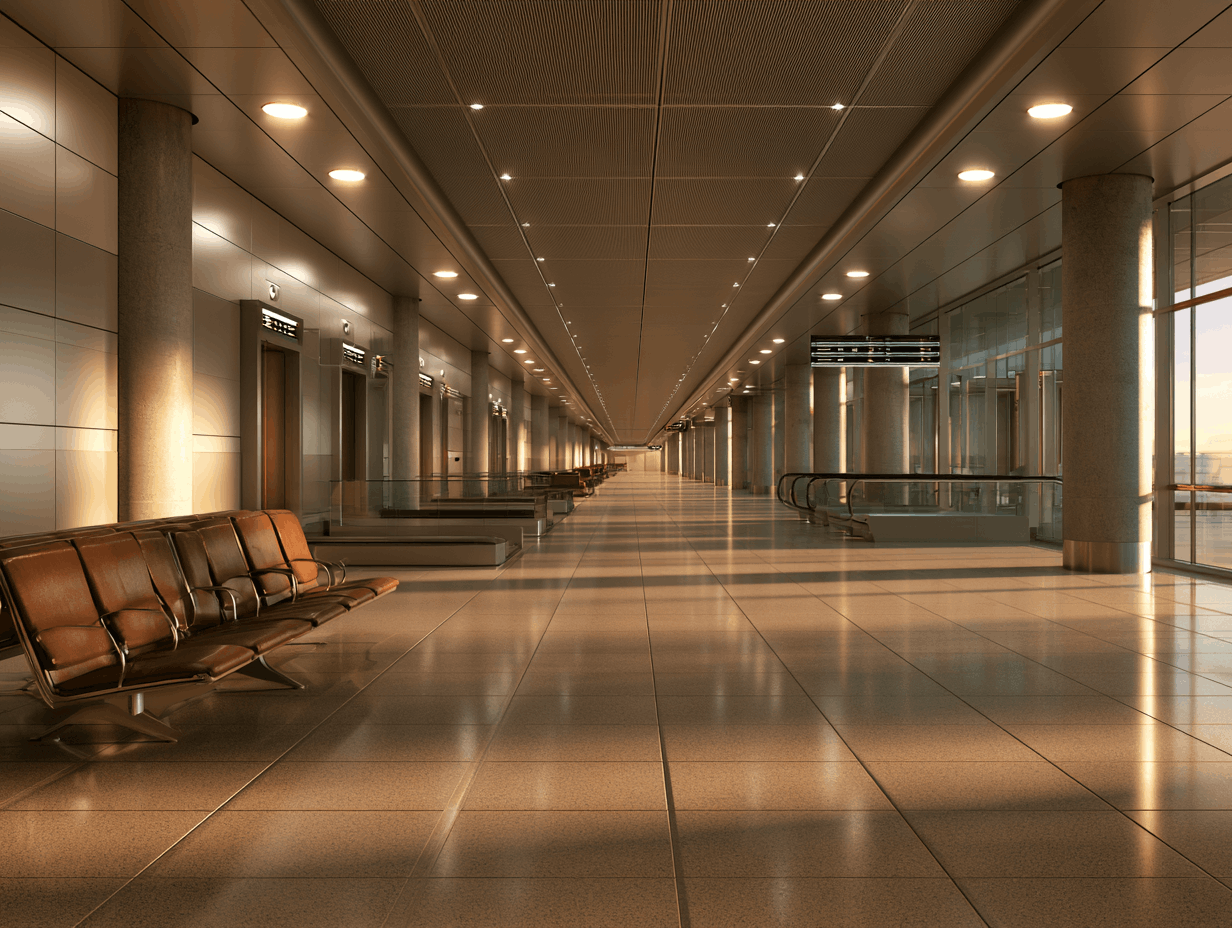
Finding Your Terminal and Gate at Any Airport
Airports mark terminals with clear letters or numbers. The first sign you usually see after arriving shows which terminal serves which airlines or destinations. Follow those overhead boards rather than guessing. Domestic and international flights often sit in separate areas, so check the flight type early.
Once inside, look for the departure boards. They list flight numbers, destinations, times and the current gate. Gates can change, sometimes more than once. The board updates in real time, so glance at it again after security and after any long walk. Writing the gate number down helps if the phone signal drops.
Airport maps hang on walls and appear on information screens. They show the layout of each terminal, the location of gates, and connections between buildings. Some maps use simple colour zones. Match the colour or letter of your gate area and head that way. Walking times are often printed on the map too. A gate that looks close on paper can still take fifteen minutes if the terminal is long.
Moving between terminals needs extra attention. Some airports link them with free trains, shuttle buses or covered walkways. Others require a short outdoor transfer. Signs for inter-terminal transport usually appear near the main exits or in the arrivals hall. Allow more time than the schedule suggests, especially if you have luggage or the connection is tight.
If the signs feel confusing, information desks sit near the main entrances and after security. Staff can point to the right direction or confirm the latest gate. Asking once saves circling the same corridor twice. Keep the boarding pass handy because the gate number is printed there and staff may ask to see it.
For flights with a change of aircraft, note whether both flights use the same terminal. A terminal change adds walking or transport time and sometimes a second security check. Build that buffer into the plan so the second boarding call does not arrive while you are still on a shuttle.
Late gate changes happen. The airport announces them on the boards and sometimes over the speakers. Stay within hearing range of the gate area once you reach it. If the new gate is far, start walking as soon as the change appears. Most airports give enough time, yet the margin shrinks when the terminal is crowded.
A simple habit works well. Check the terminal before leaving for the airport, confirm the gate after security, and look one more time twenty minutes before boarding. That short routine covers almost every layout and keeps the rest of the journey calmer.
Leave your email if you want occasional practical notes about new guides and important rule changes. No frequent messages.