brddg-41ee58-8858c9
Pet Travel Rules and Special Assistance Services
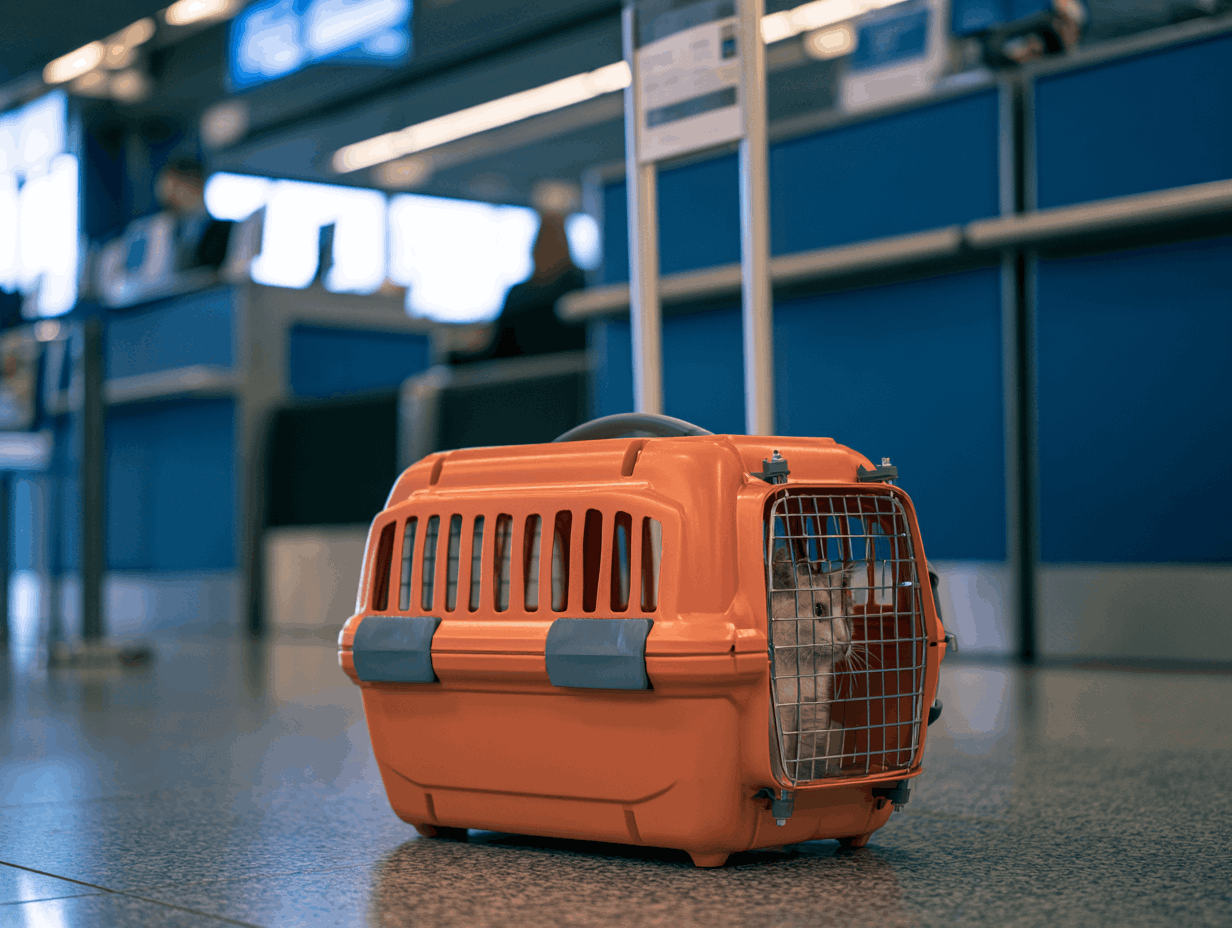
Pets can travel in the cabin or in the hold depending on size and airline policy. Small animals that fit in a soft carrier under the seat often stay with the passenger in the cabin. The carrier counts toward the carry-on allowance in many cases and must remain closed for the whole flight. Larger pets travel in the cargo hold inside an approved hard container. Temperature and pressure in the hold are controlled, yet the space is still different from the cabin.
Required documents start with a health certificate issued by a veterinarian. Most destinations ask for the certificate to be dated within a short period before travel. Vaccination records, especially for rabies, appear on almost every list. Some countries require an import permit or a microchip that meets international standards. Check the rules for both the departure and arrival countries because they can differ.
The container itself must meet size and ventilation standards. Airlines publish exact measurements and label requirements. The pet needs enough space to stand, turn and lie down. Food and water bowls should attach securely so they do not spill during loading. Label the container with contact details and the words live animal in clear letters.
Special assistance services cover passengers who need extra help. Wheelchair support, guidance for visual or hearing difficulties, and medical oxygen requests fall into this category. Airlines ask for advance notice, often 48 hours or more. The request can be added during booking or later through the reservation page. At the airport staff meet the passenger at check-in or at the gate and provide the agreed help through security and boarding.
Some services extend to the aircraft seat and the transfer between flights. If a connection is involved, confirm that assistance continues on the next leg. Medical documentation may be needed for certain conditions or for the use of equipment on board. Keep copies of any forms submitted so they are ready if questions arise.
Early declaration makes both pet travel and special assistance smoother. Last-minute requests are sometimes refused when space or staff are limited. Once the documents are complete and the airline has confirmed the arrangement, the process at the airport follows a clearer path and reduces stress for everyone involved.
Leave your email if you want occasional practical notes about new guides and important rule changes. No frequent messages.