ggldn-001acc-064f7b
Security Control: What to Expect and How to Speed It Up
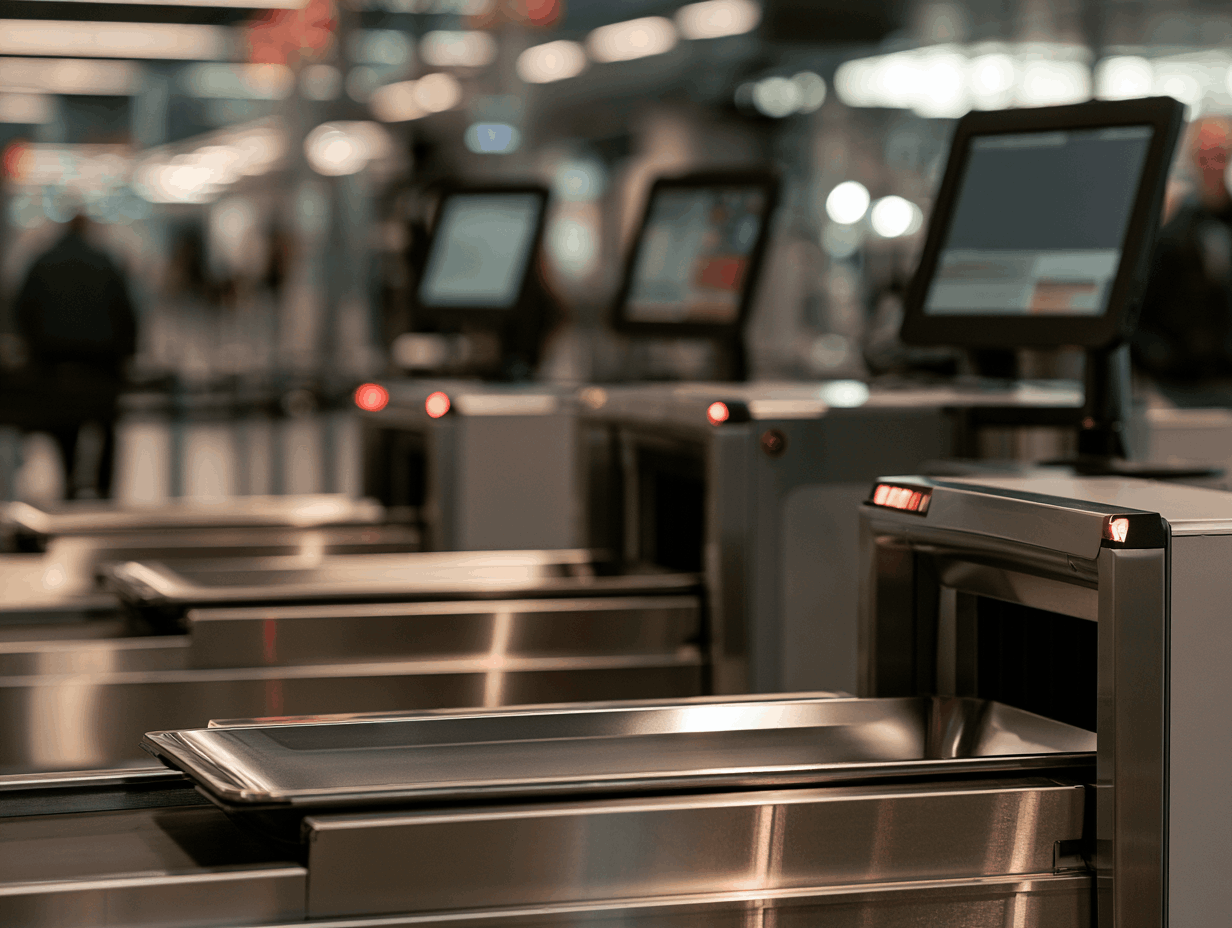
The line moves toward a row of trays and a scanner. Staff direct passengers to place bags, jackets and loose items into the trays. Everything goes on the belt while you walk through the metal detector or body scanner. Shoes and belts often come off, though some airports allow them to stay on if the equipment is newer.
Liquids follow a strict limit. Containers of 100 millilitres or less go inside one clear plastic bag. The bag itself should not exceed one litre in volume. Larger bottles stay in checked luggage. Medicines and baby food are usually allowed in greater amounts, but you may need to take them out and show them separately. The officer decides on the spot.
Electronics larger than a phone leave the bag. Laptops, tablets and similar devices sit in their own tray. Smaller items can stay inside if the scanner accepts them, yet removing the bigger ones avoids a second check. Power banks travel in the cabin and must be taken out in many places.
Simple habits shorten the wait. Have the clear liquids bag ready before you reach the trays. Take the laptop out while still in line. Wear shoes that slip off easily and keep pockets empty. A jacket with many pockets slows things down because every item has to come out. Place metal objects like keys and coins in the tray rather than trying to hold them.
If the scanner beeps, a second check follows. Staff use a handheld detector or ask for a light pat-down. Stay calm and follow the instructions. Most alerts come from forgotten coins, a belt buckle or a watch. Removing those items first reduces the chance of extra screening.
Families and passengers with special needs sometimes use a separate lane. The process is the same but the pace can be slower. Arrive with a little extra time if that applies. Once through the checkpoint, collect all trays quickly and move away from the exit area so the next people can pass.
The whole control usually takes only a few minutes when everything is prepared. The longest delays happen when bags need to be opened or when liquids exceed the limit. A short preparation at home and a clear sequence at the trays keep the passage smooth for everyone in the line.
Leave your email if you want occasional practical notes about new guides and important rule changes. No frequent messages.